Wedding Couple Monogram Font Review
There’s something undeniably romantic about the first time you see a font that feels like it was designed with a story in mind. That’s exactly how I felt when I first opened up the Wedding Couple Monogram font. As someone who works on brand identities for small businesses and creative studios, I’ve tested my fair share of typefaces—some great, some forgettable. But this one? It had a personality.
I was working on a boutique identity project for a local wedding planner, and I needed a font that would convey both elegance and warmth. The client wanted something that felt personal, like it could be hand-drawn but still looked polished. That’s where Wedding Couple Monogram came in. It’s not just a font—it’s a visual narrative wrapped up in a single alphabet.
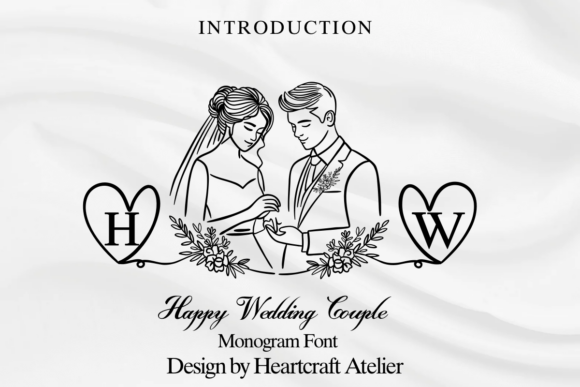
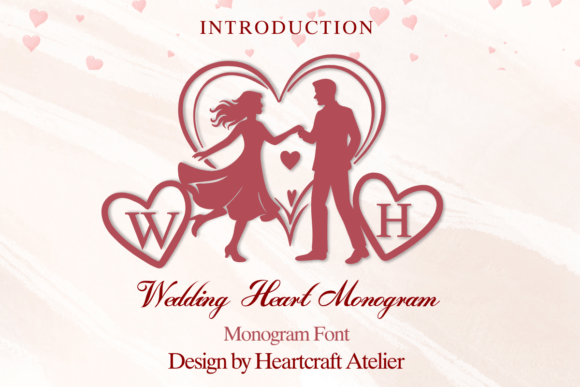
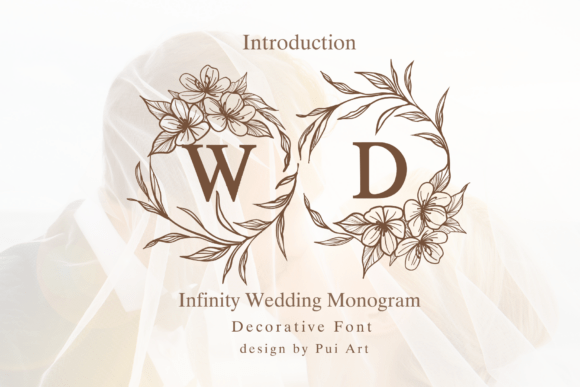
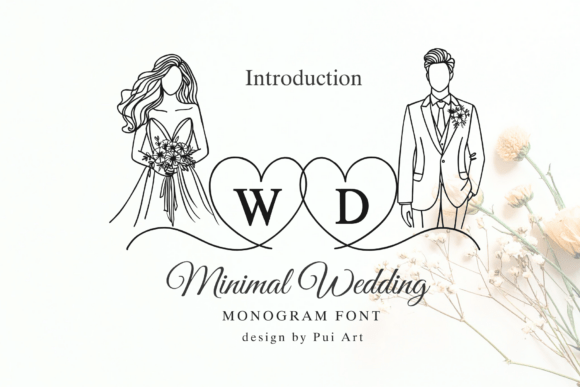
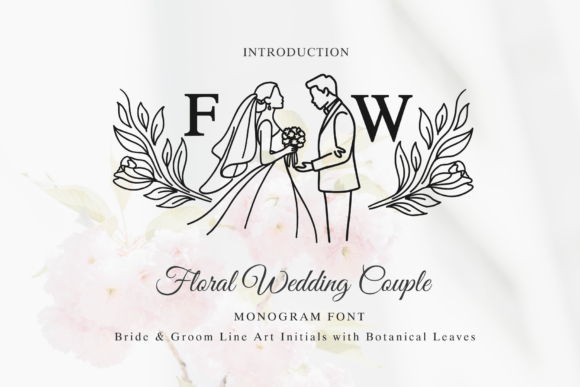
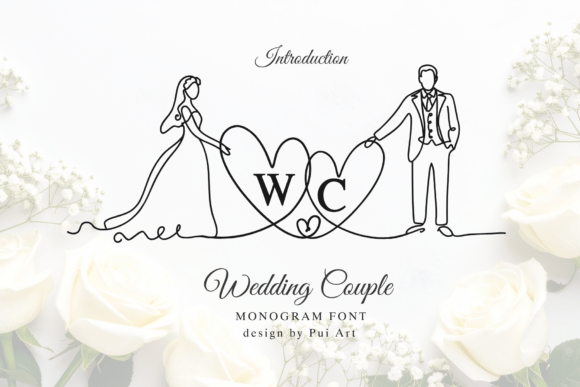
The font features a romantic bride and groom illustration paired with stylish monogram letters. It’s a “one-line” design, which means each letter is crafted to flow seamlessly into the next, creating a sense of unity and rhythm. This makes it particularly effective for logos, brand boards, and social media graphics. When I placed it on the logo draft for the wedding planner’s new branding, it immediately brought a sense of intimacy and sophistication.
What really stood out was how versatile Wedding Couple Monogram is. I used it across multiple design assets: from the brand board to packaging mockups, business cards, and even website headers. It worked beautifully as a headline font, adding a touch of charm without overwhelming the rest of the design. Its decorative nature made it perfect for short phrases and taglines, but I also found it could serve as an accent font in larger brand systems.
One of the most impressive aspects of this font is its readability. Despite its ornate appearance, it maintains clarity at smaller sizes, which is crucial for things like business cards or social media posts. I tested it on a sample Instagram post and a printed card, and it held up well under different conditions. However, I would caution against using it for long body text or formal corporate materials where legibility is paramount.
When it comes to font pairing, Wedding Couple Monogram pairs well with both serif and sans serif fonts. For a more traditional feel, I paired it with a classic serif font like Garamond for the body text. For a modern twist, I used it alongside a clean sans serif like Montserrat for headings. It also works nicely with script or handwritten fonts for a more personal touch.
Another thing I appreciated was the included styles and alternates. The font offers several weights and variations, which allows for greater flexibility in design. Whether you’re looking for a bold statement or a subtle detail, there’s a version of Wedding Couple Monogram that fits. I also liked the multilingual support, which is a nice bonus for designers working on international projects.
Of course, no font is perfect. While Wedding Couple Monogram shines in branding and packaging design, it might not be the best choice for every project. If you’re working on a product label that needs to be read quickly or a corporate website that requires a more professional look, you might want to consider a more traditional font. That said, it’s a fantastic option for creative studios, handmade shops, and small businesses looking to make a statement.
Before using any font in client work, it’s always a good idea to check the commercial licensing terms. Wedding Couple Monogram is a premium font, so ensuring you have the right license for your project is essential. Whether you’re designing for print-on-demand products, digital templates, or custom merchandise, knowing your rights helps avoid potential issues down the line.
In conclusion, Wedding Couple Monogram is a font that brings both style and substance to any design project. It’s a great choice for those who want to add a touch of romance and elegance to their brand identity. Whether you’re crafting a logo, designing packaging, or creating social media graphics, this font has the versatility and charm to elevate your work. Just remember to test it in real-world scenarios before committing to a final design.